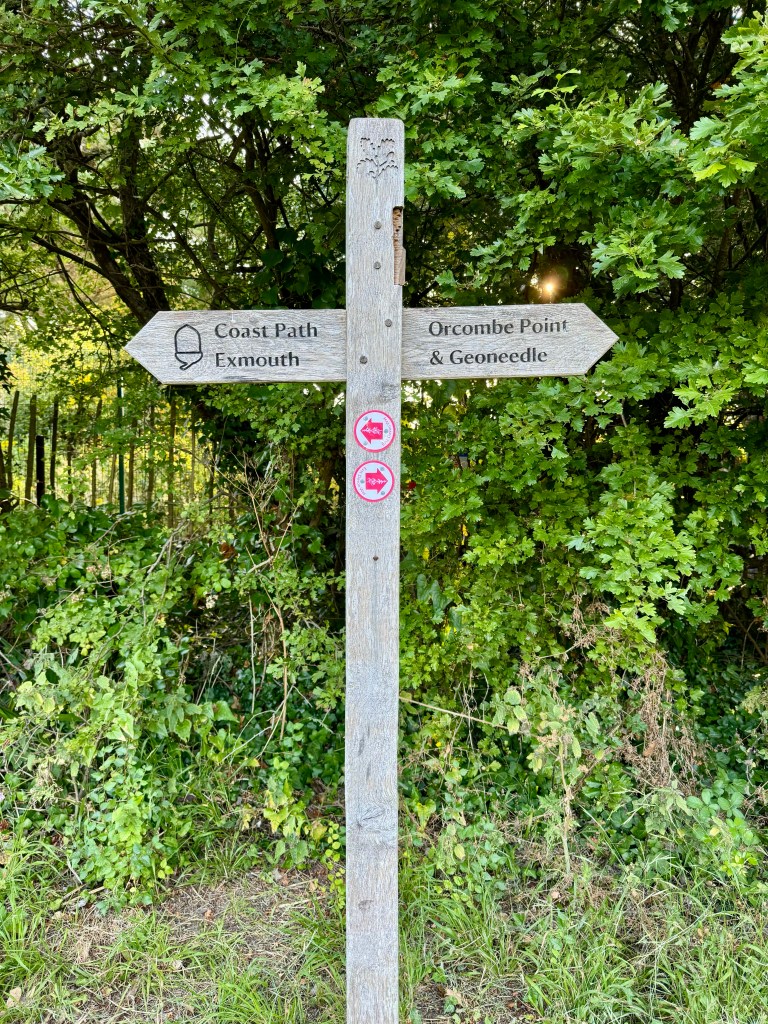
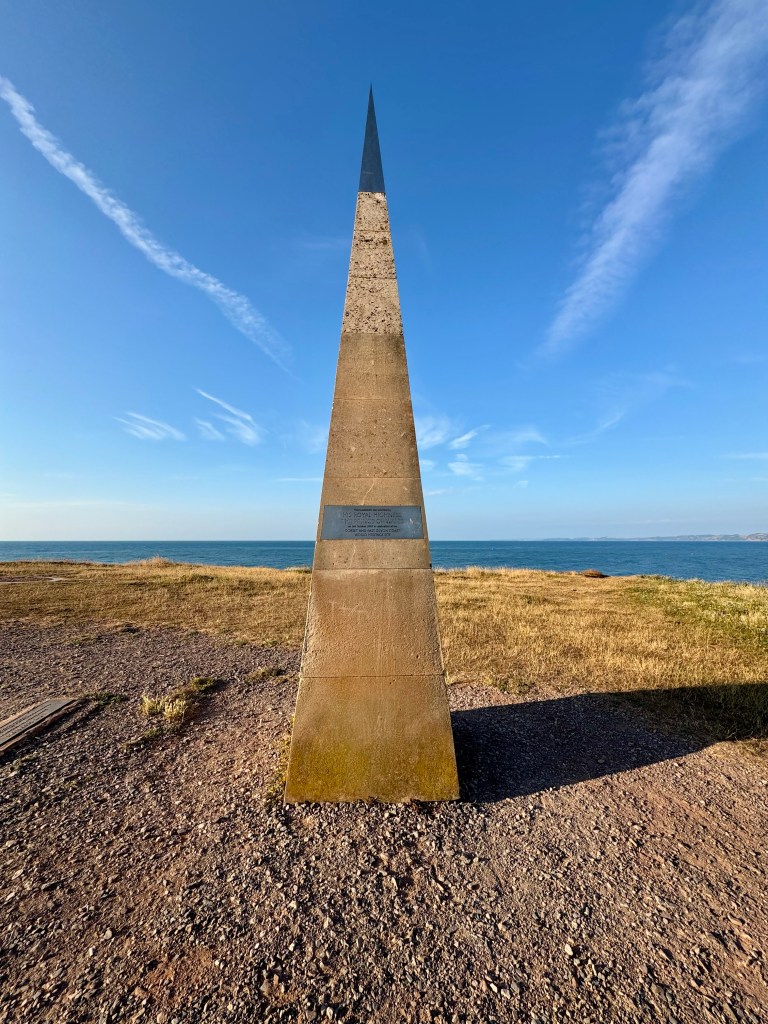
Our day began with an early walk along the Coastal Path which took us past the Geoneedle, a stone landmark at Orcombe Point in Exmouth, marking the western gateway to the UNESCO Jurassic Coast World Heritage Site. Unveiled in 2002, it is built from a variety of stones to represent 185 million years of Earth’s history. The Jurassic Coast is named, as during its long life it has been a desert, shallow tropical sea, and marshlands. Its rich red stone and soil contains fossils.
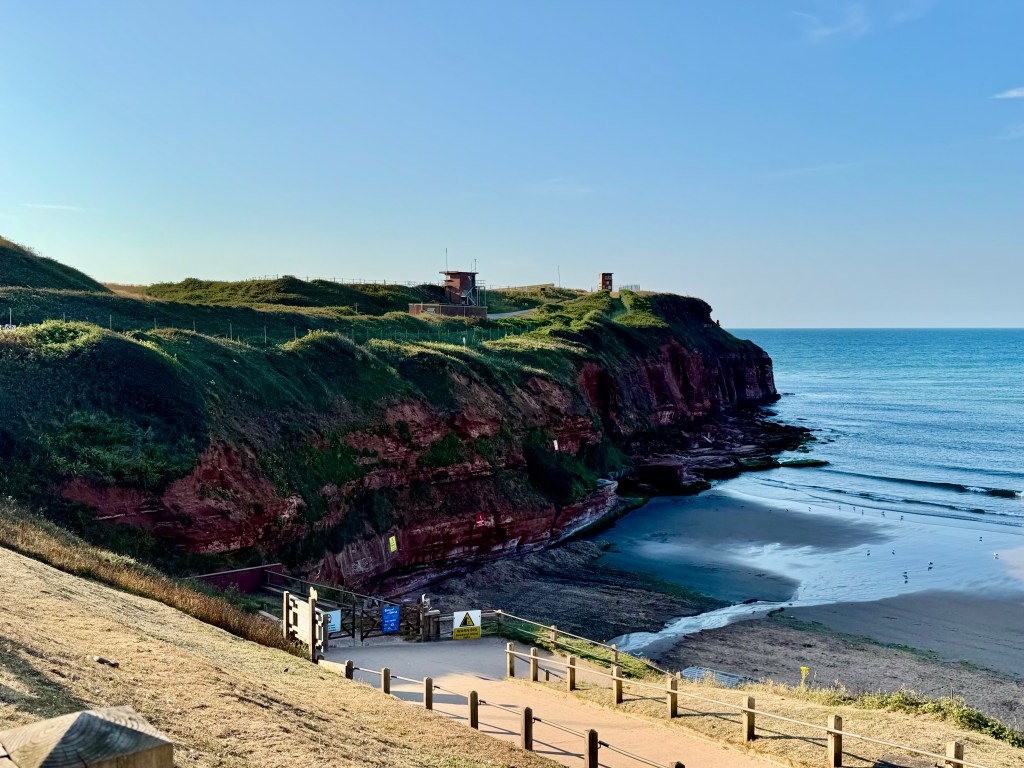
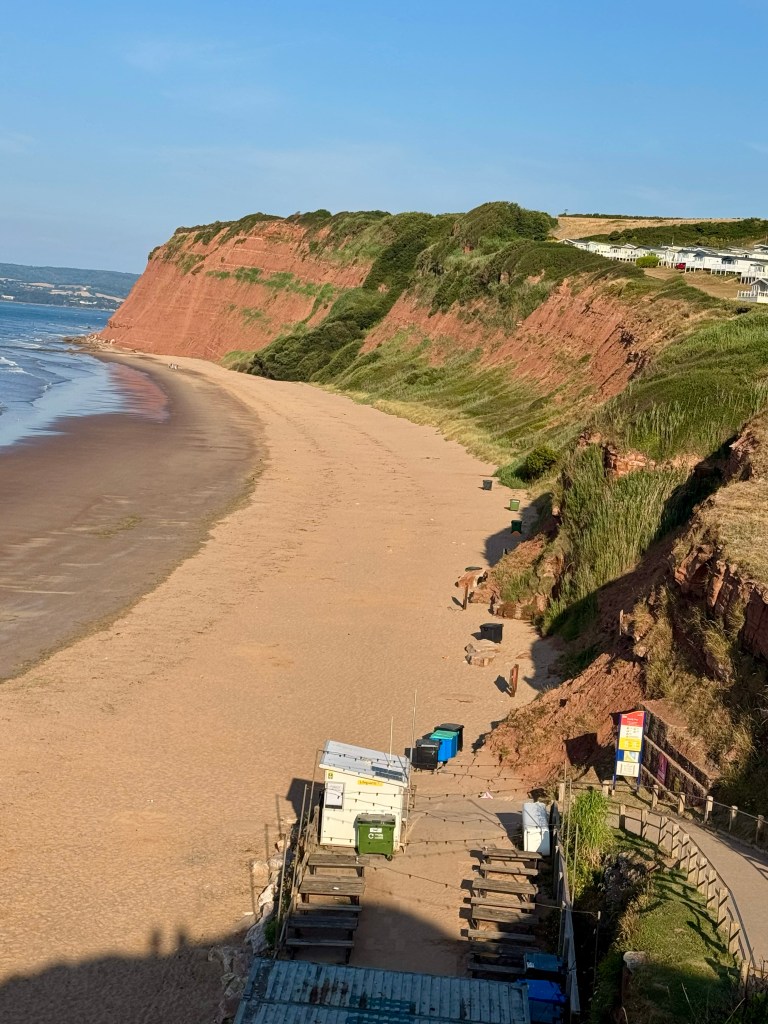
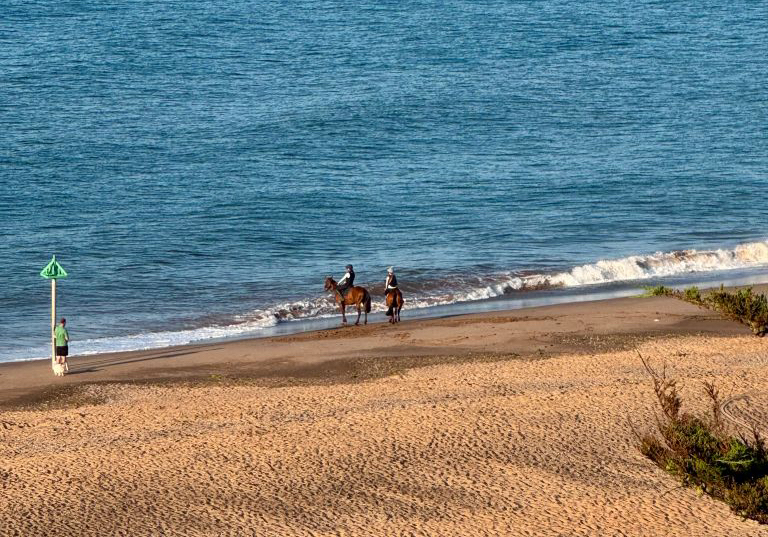
The day began hot and got hotter. The car read 33 degrees at one point!
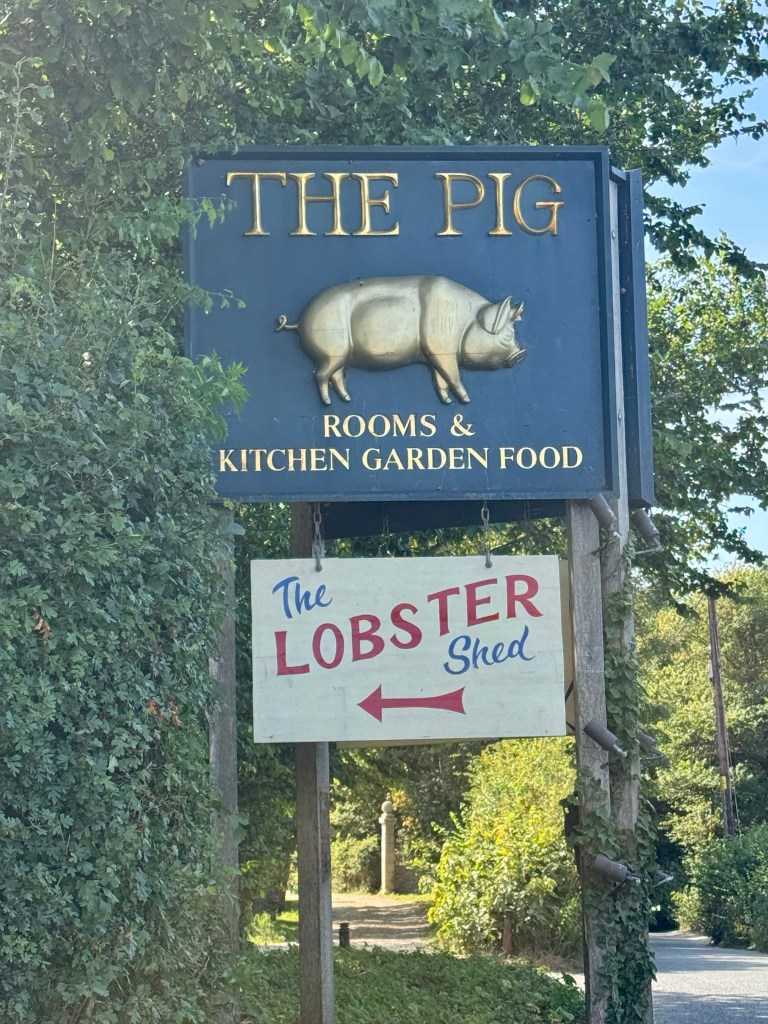
We took a trip to Darts Farm – an award winning farm shopping experience with a working farm at its heart. As with The Pig where we ate last week, this team handpick their seasonal food, not only for their 3 different styled restaurants but to sell in their incredible shop. They grow much of their own meat and use traditional techniques to ensure minimal waste. Then they use artisan suppliers – bread, pastries, craft beers etc. Fascinating. Clarkson Farms on steroids and with actual purpose. Plus some external retailers including gift and homewares. This was our lunch stop.
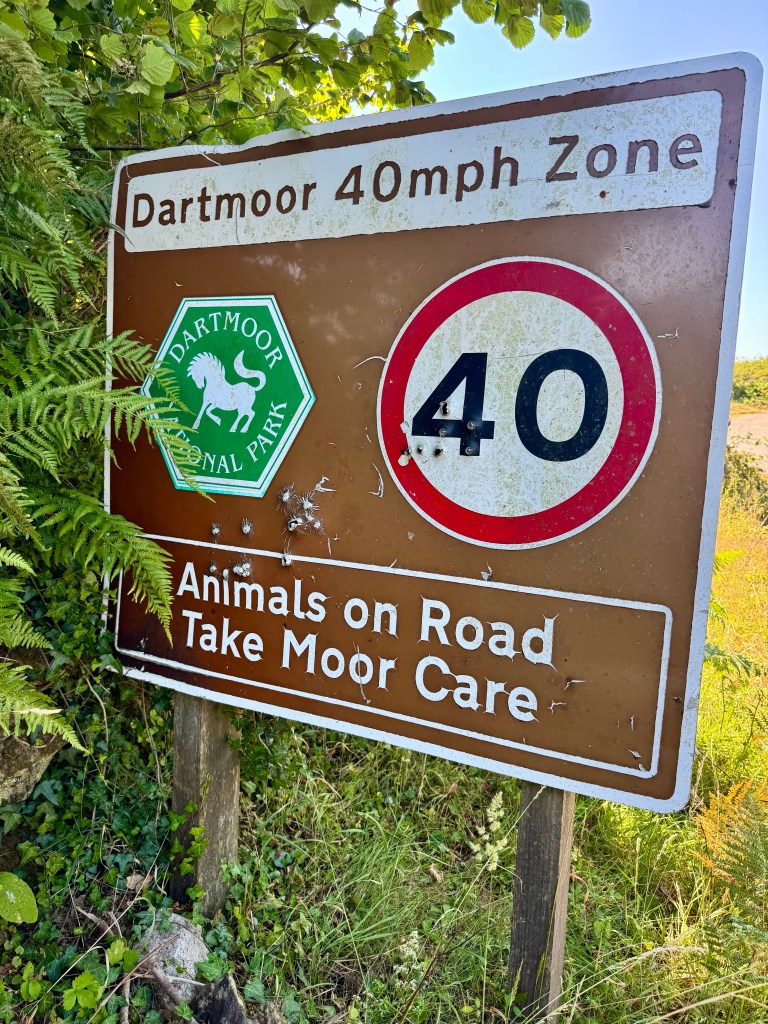
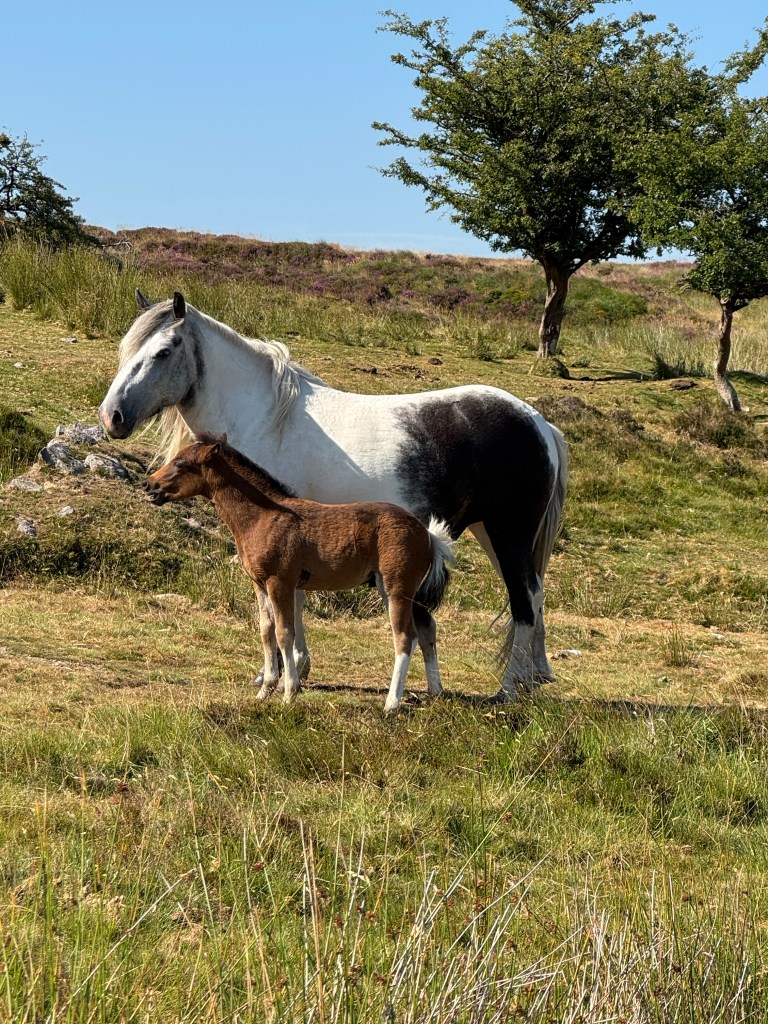
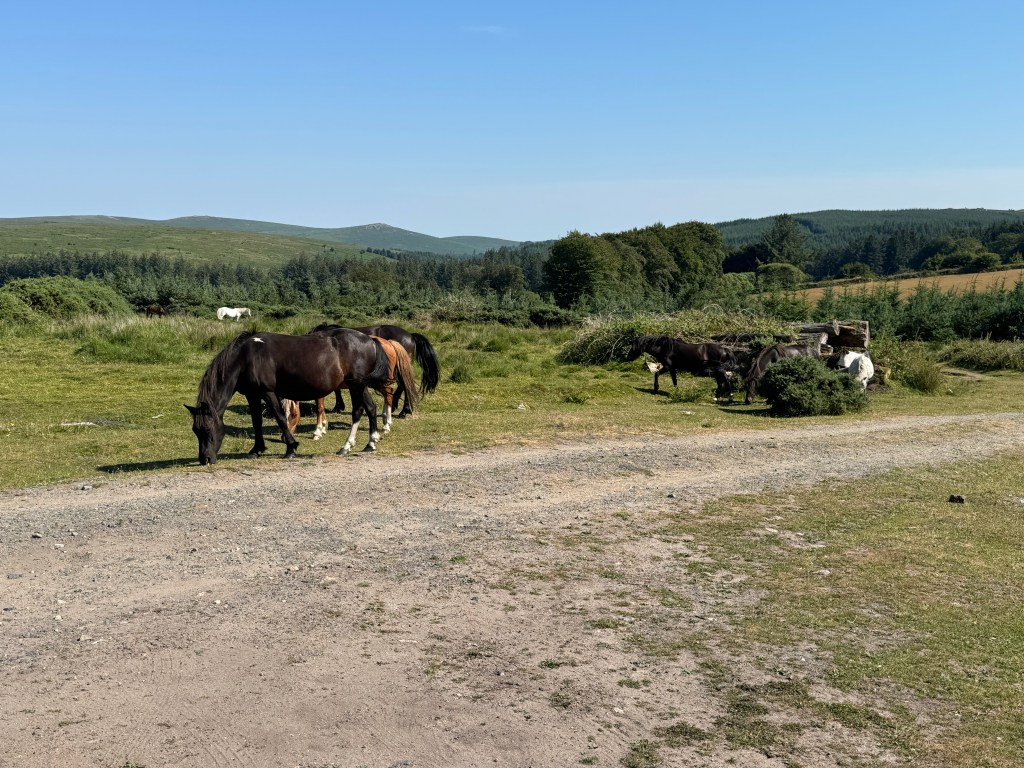
But the main trip today was to the Dartmoor National Park to see the Dartmoor ponies. It covers 368 square miles – roughly 95000 hectares!!! Massive. Famous for rugged granite rocks, deep river valleys, Bronze Age history and ponies, it’s also hugely popular for hiking, cycling and ‘wild’ camping. Interesting concept that last one. The ponies have roamed freely here for at least four thousand years – apparently there are fossilised footprints in bronze aged ditches. How do they know?! Digressing though, it was really hard to find any ponies. Google told me of several spots and it took all of them to find more than one or two. In the 1950’s 30,000 ponies existed here. Now after culling and re homing there are around 1500.




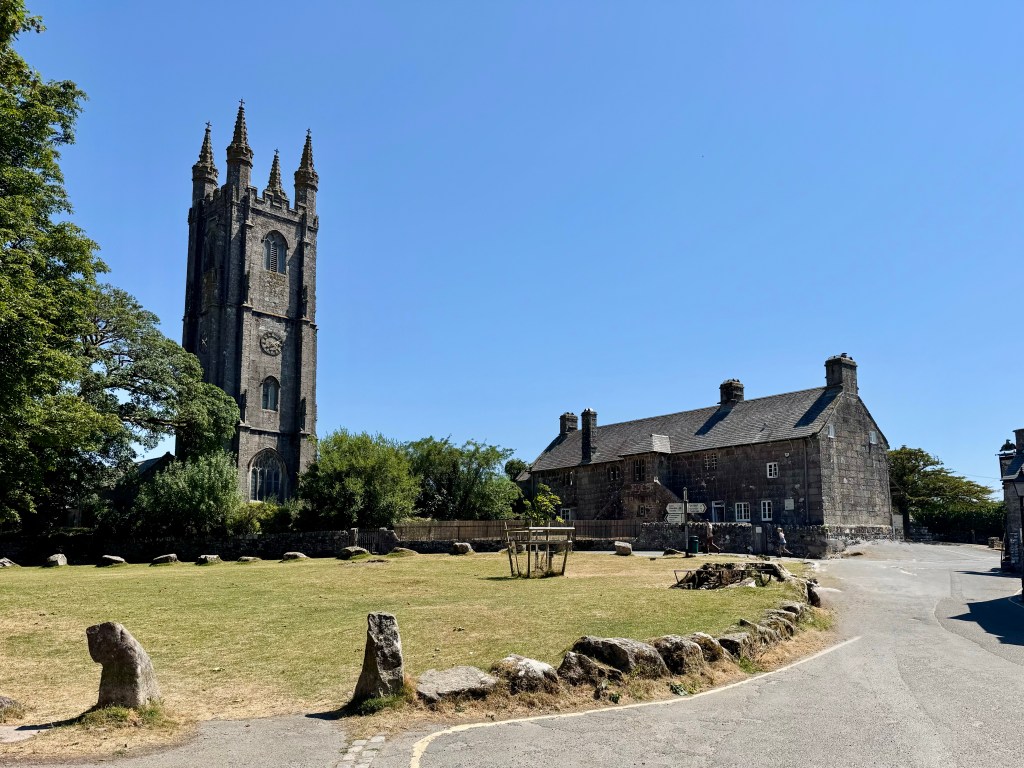
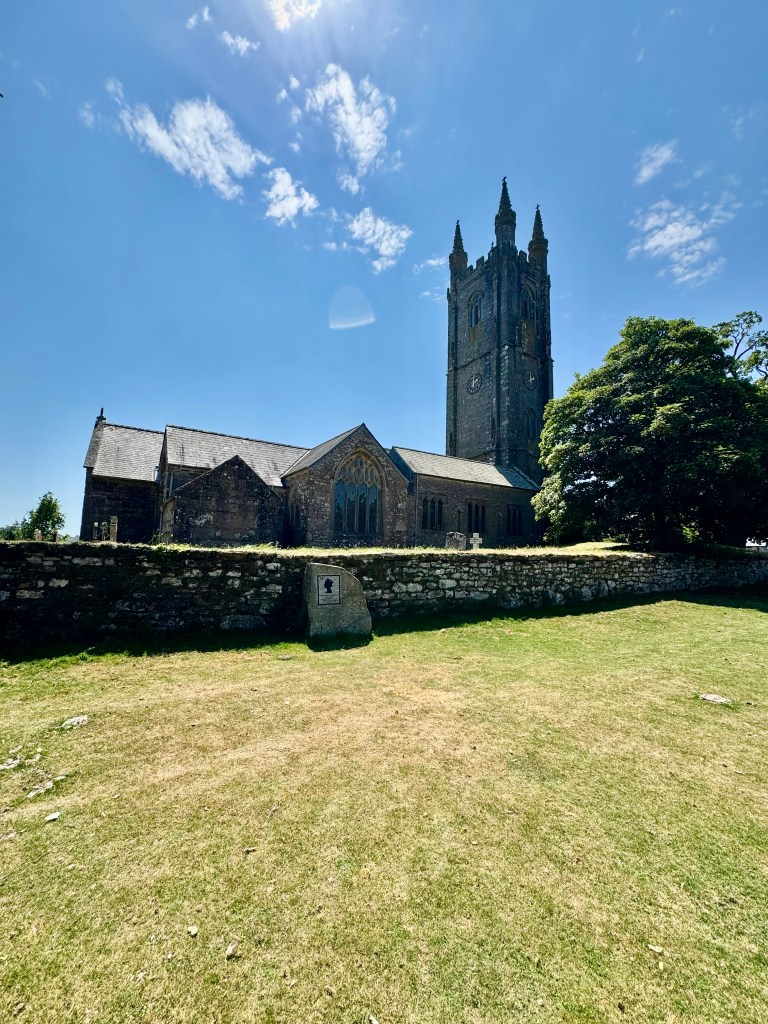
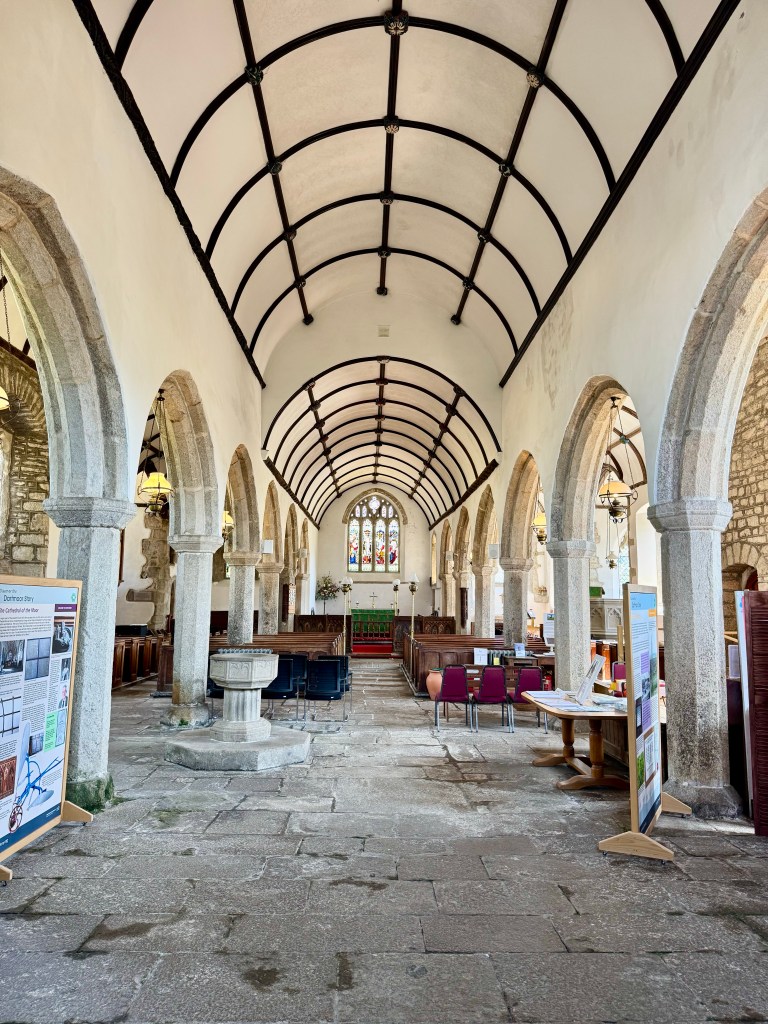
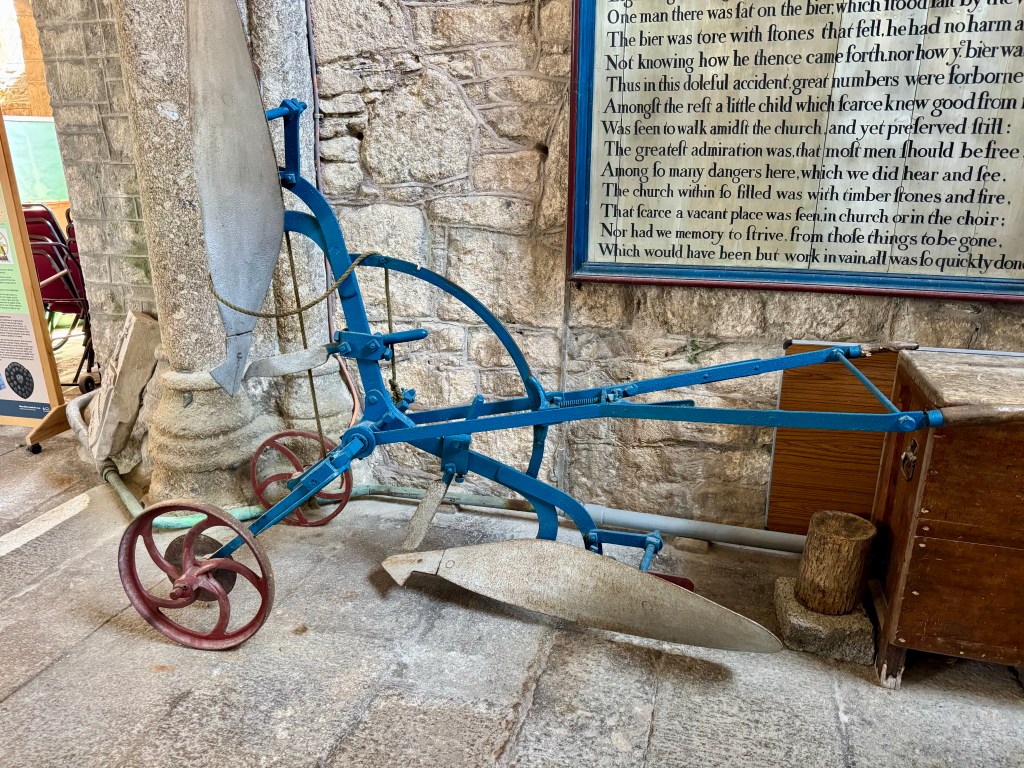
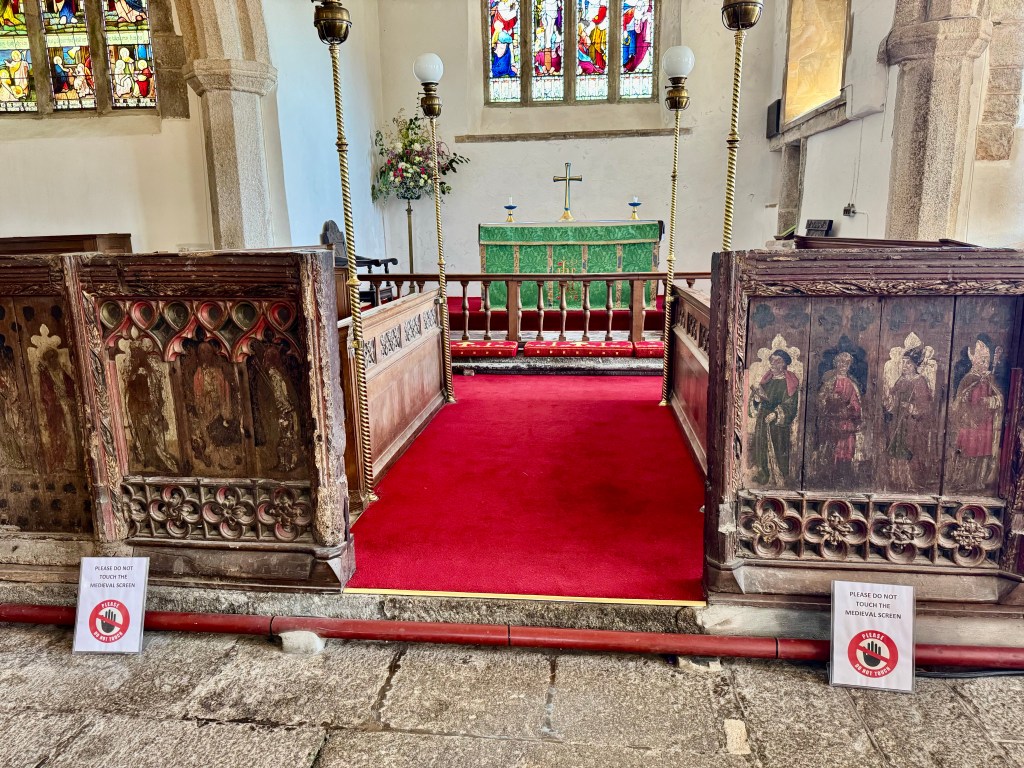
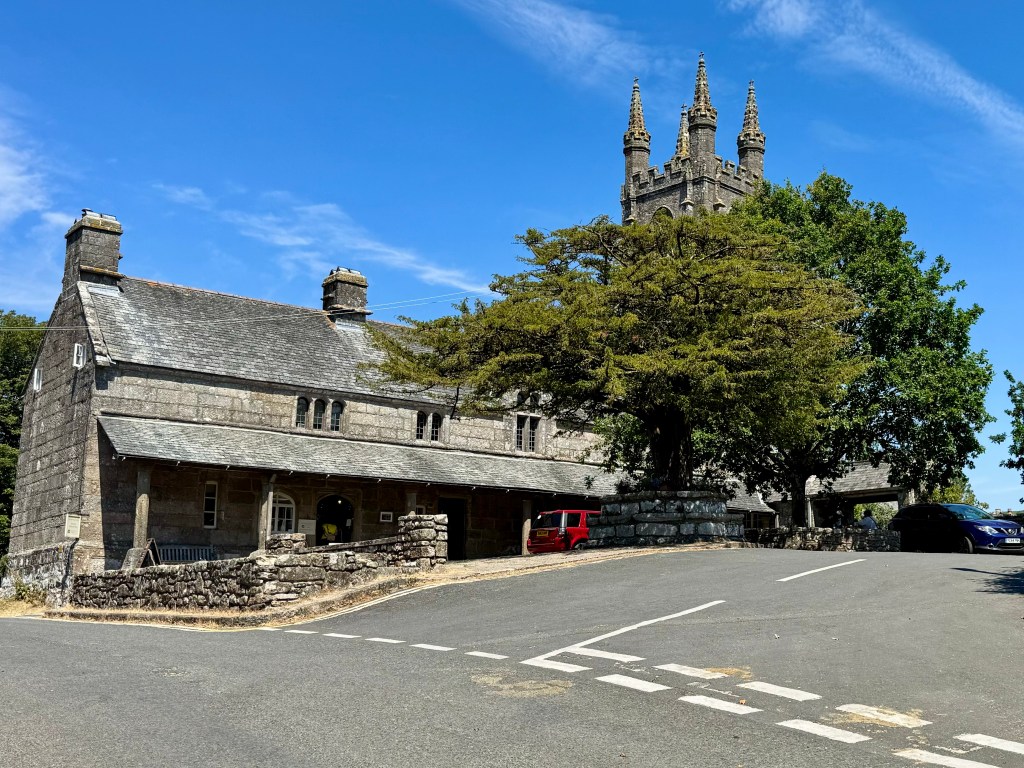
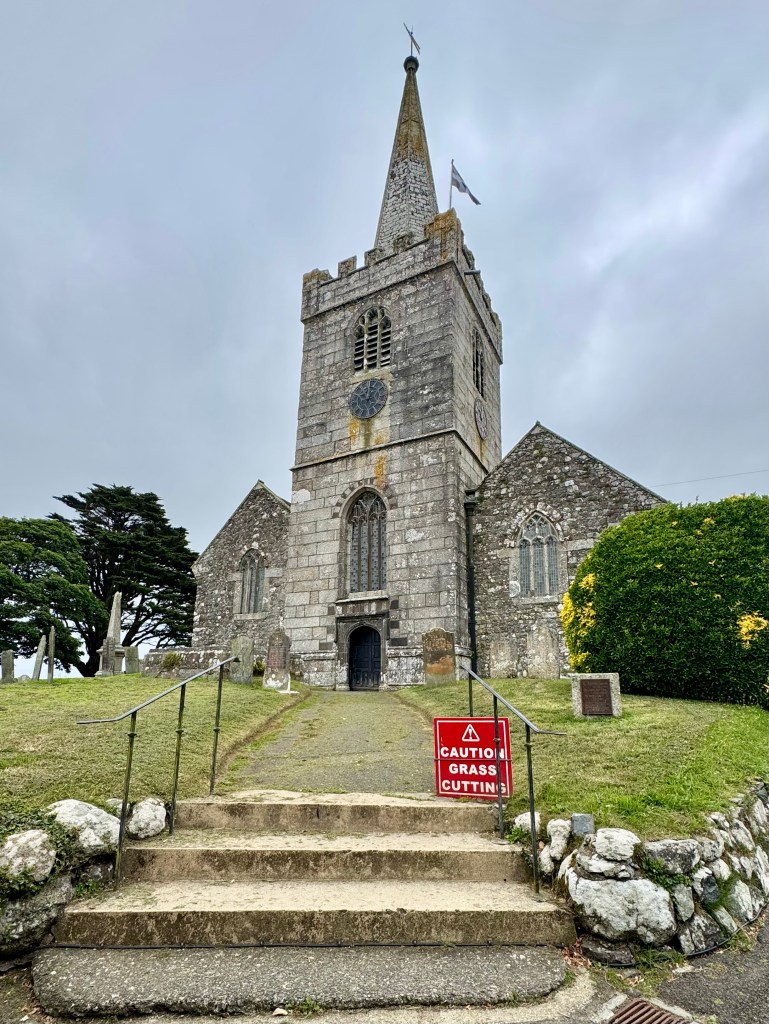
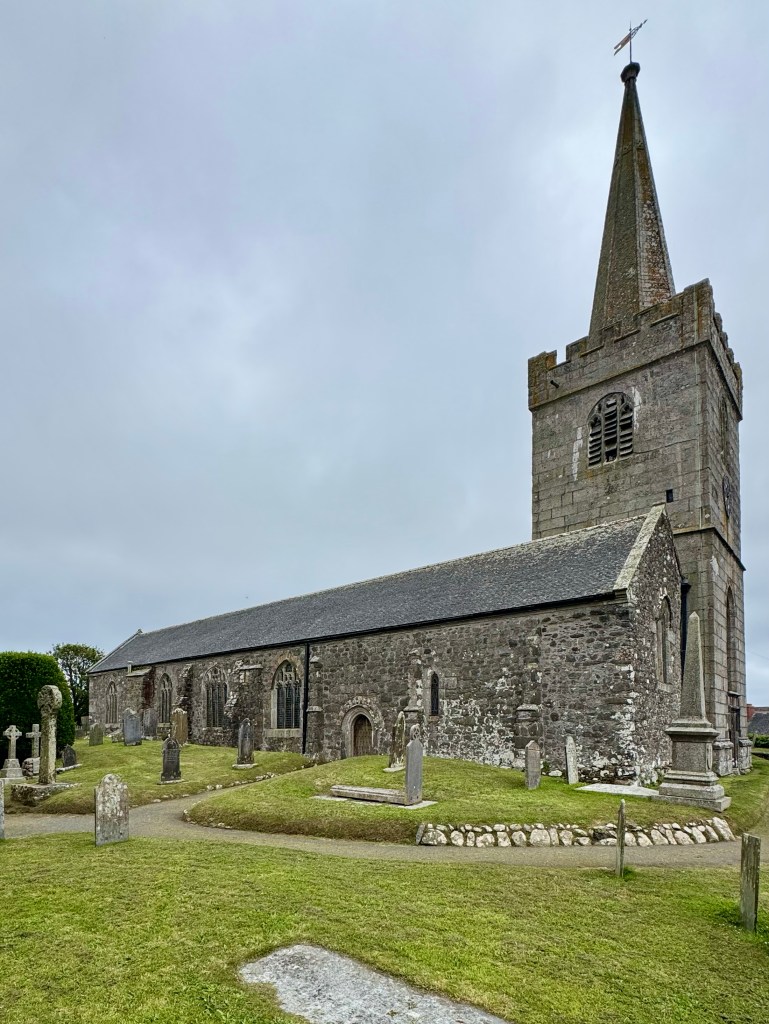
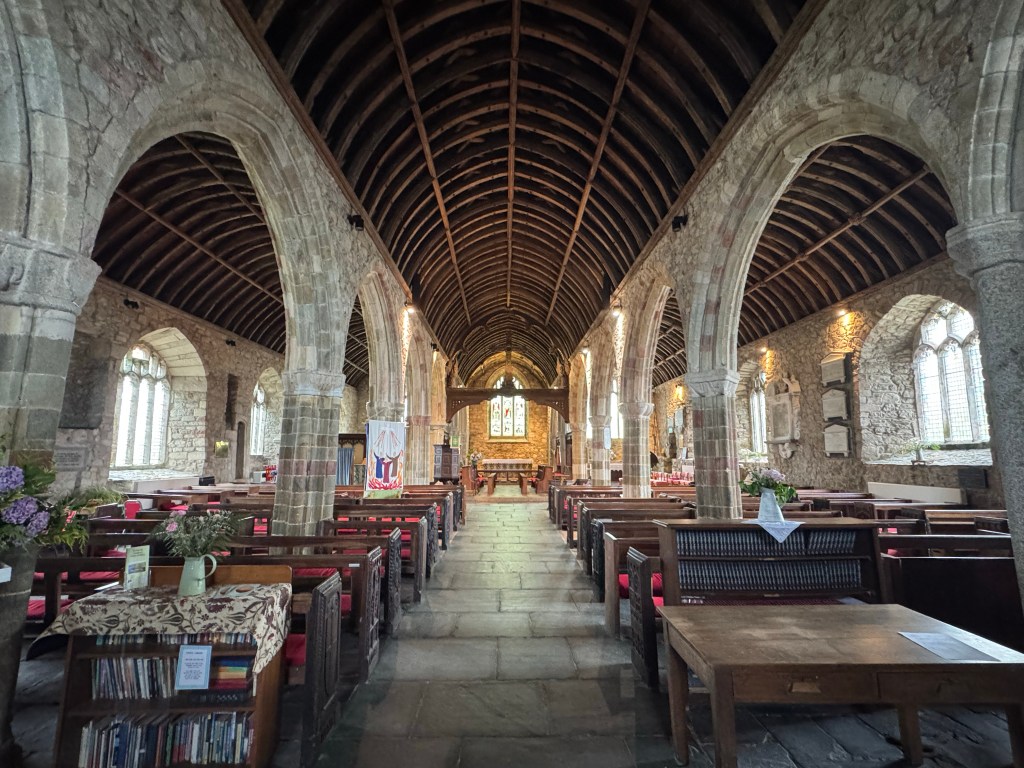
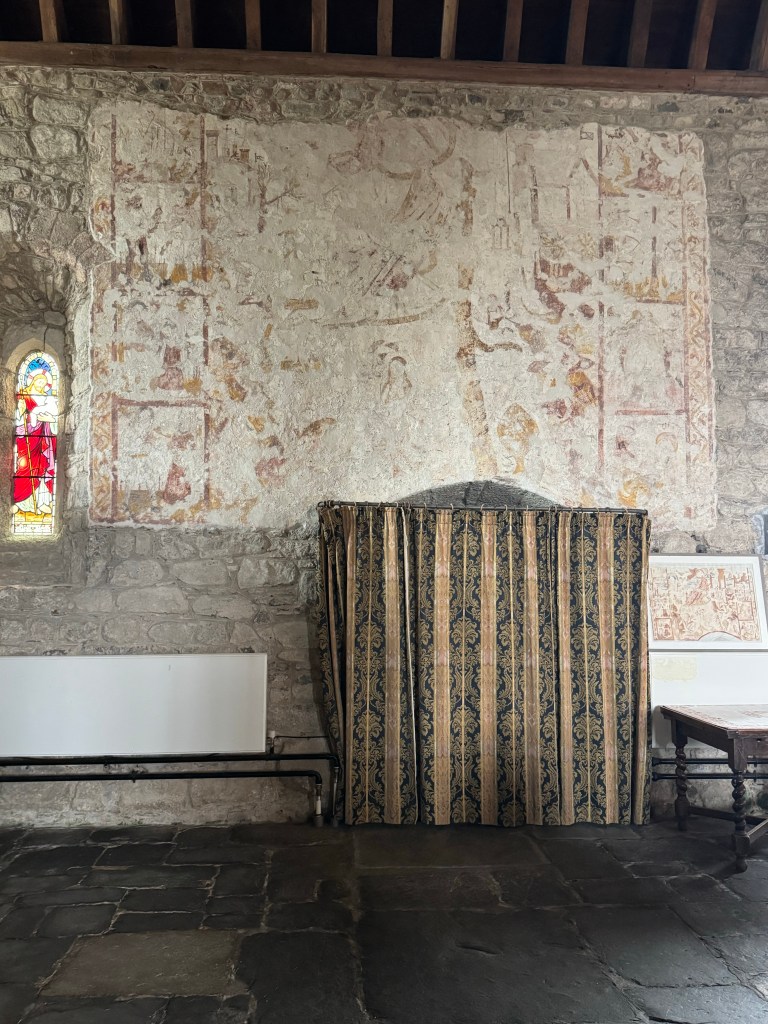
During the circuit of villages we enjoyed the very old Widecombe in the Moor. Great name. A very picturesque village famous for its 14th century St Pancras Church.
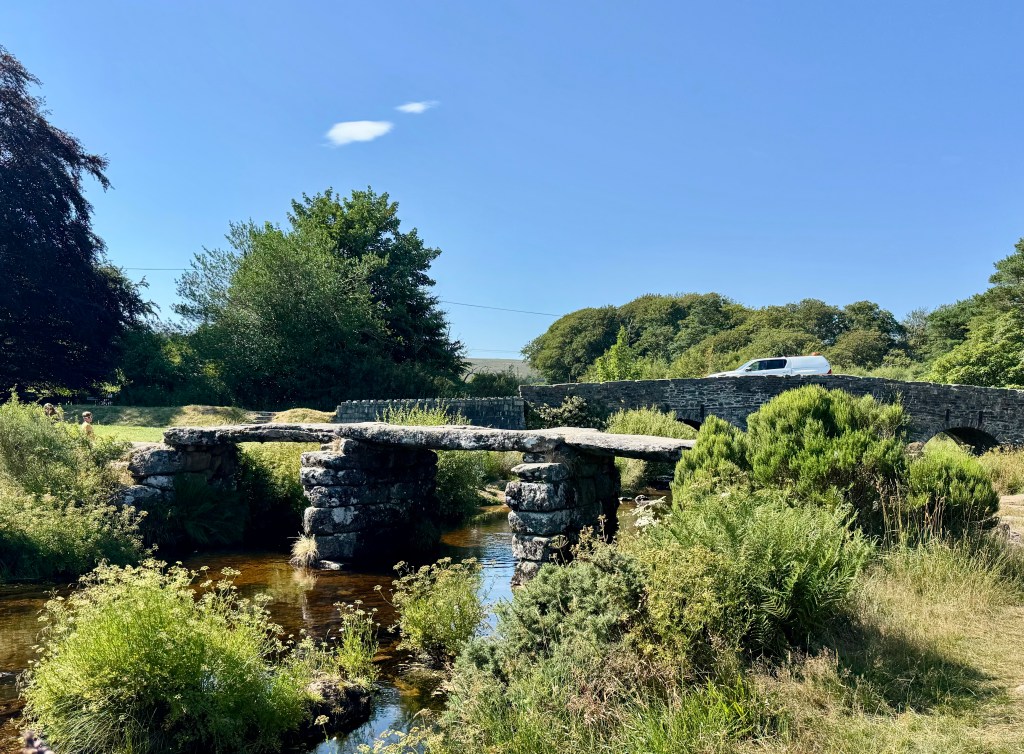
Another failed pony spotter hamlet was Postbridge. But what a find. It’s has this amazing 13th century ‘Clapper Bridge’ – an ancient granite packhorse crossing over the East Dart River


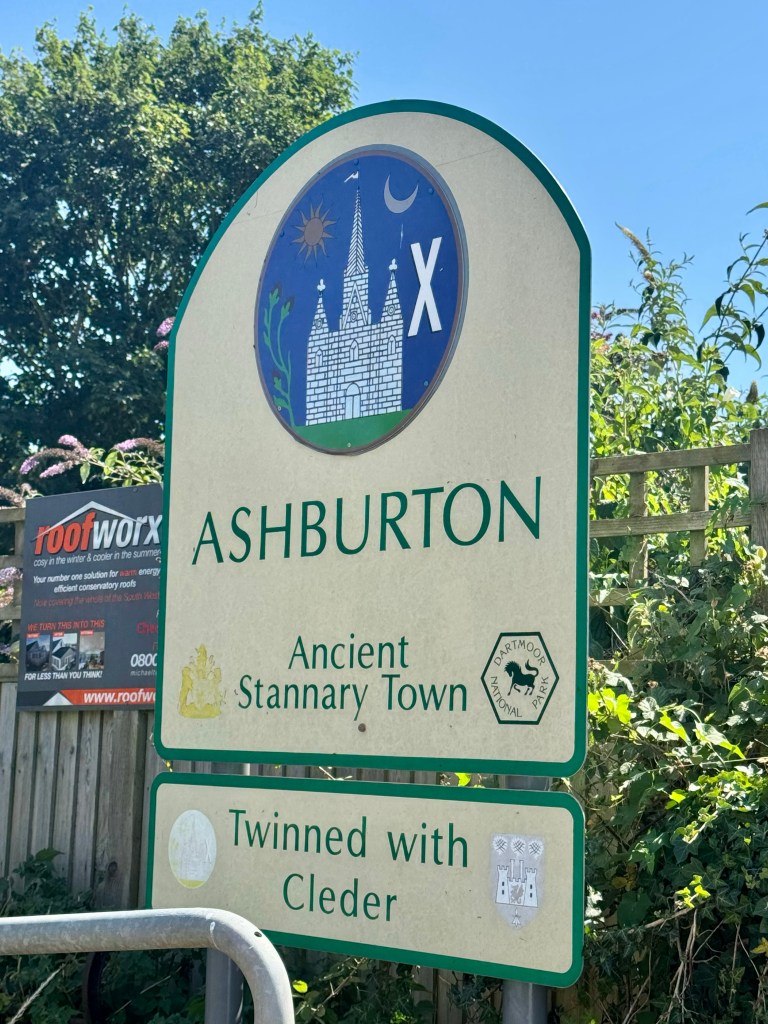
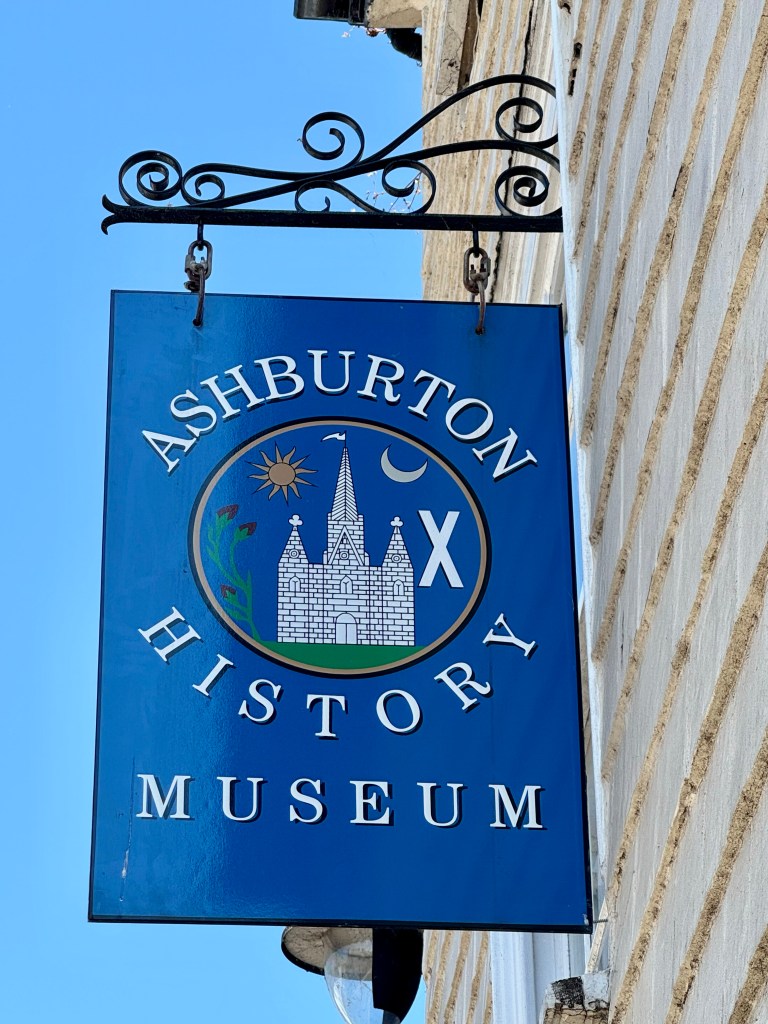
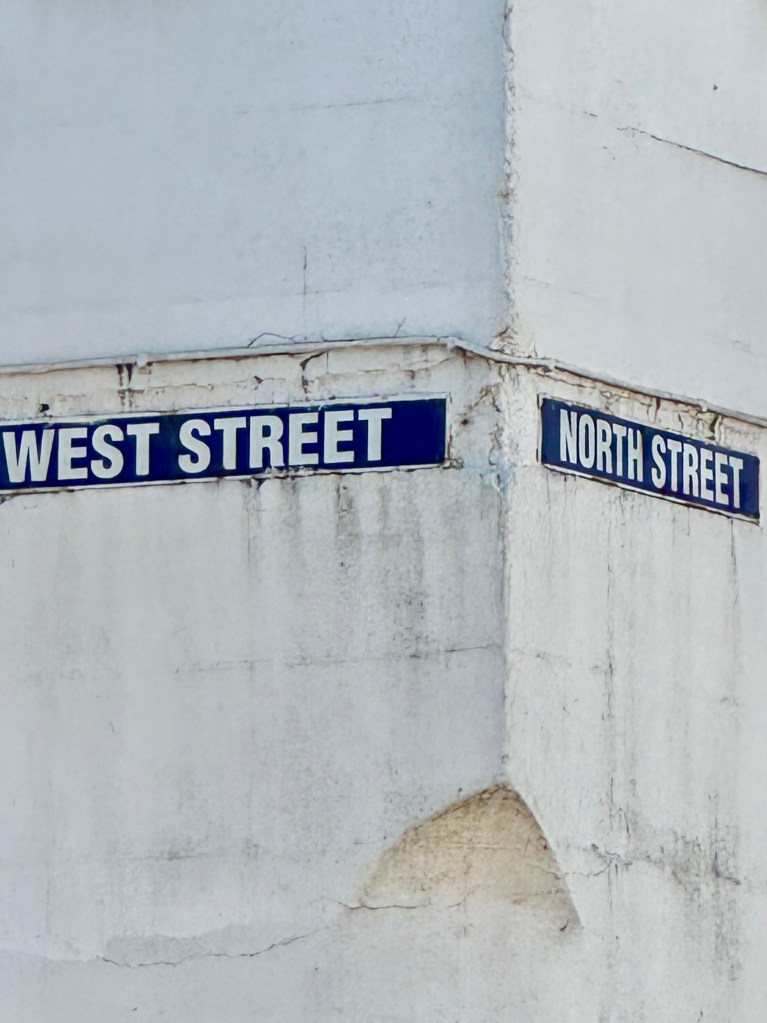
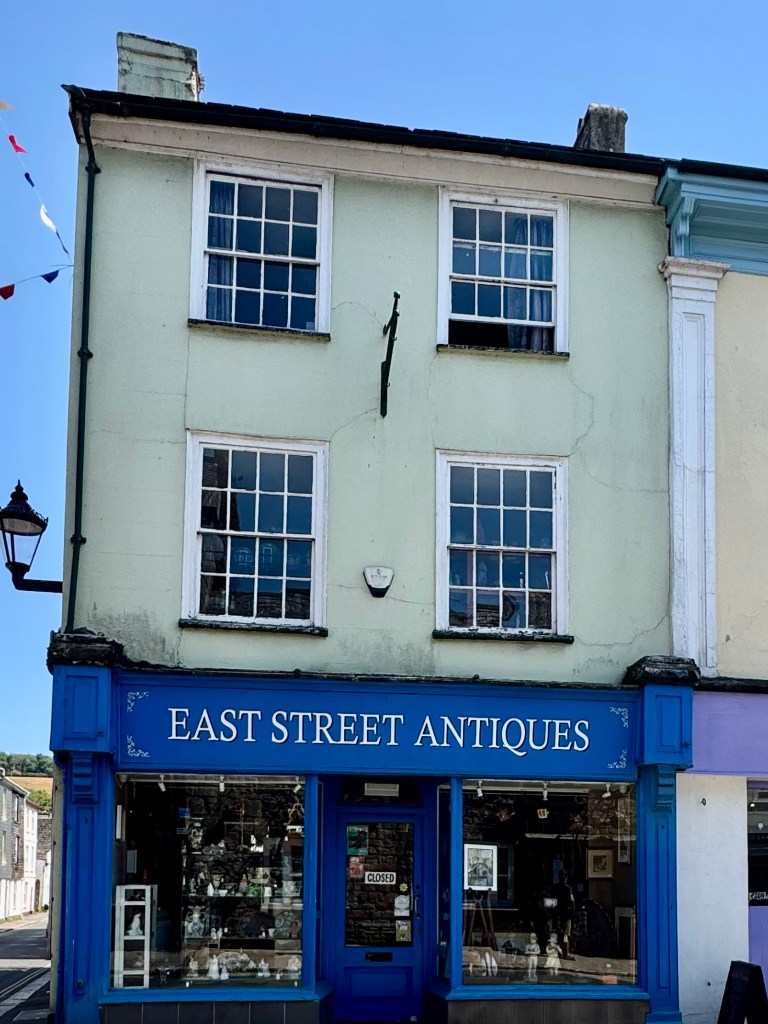
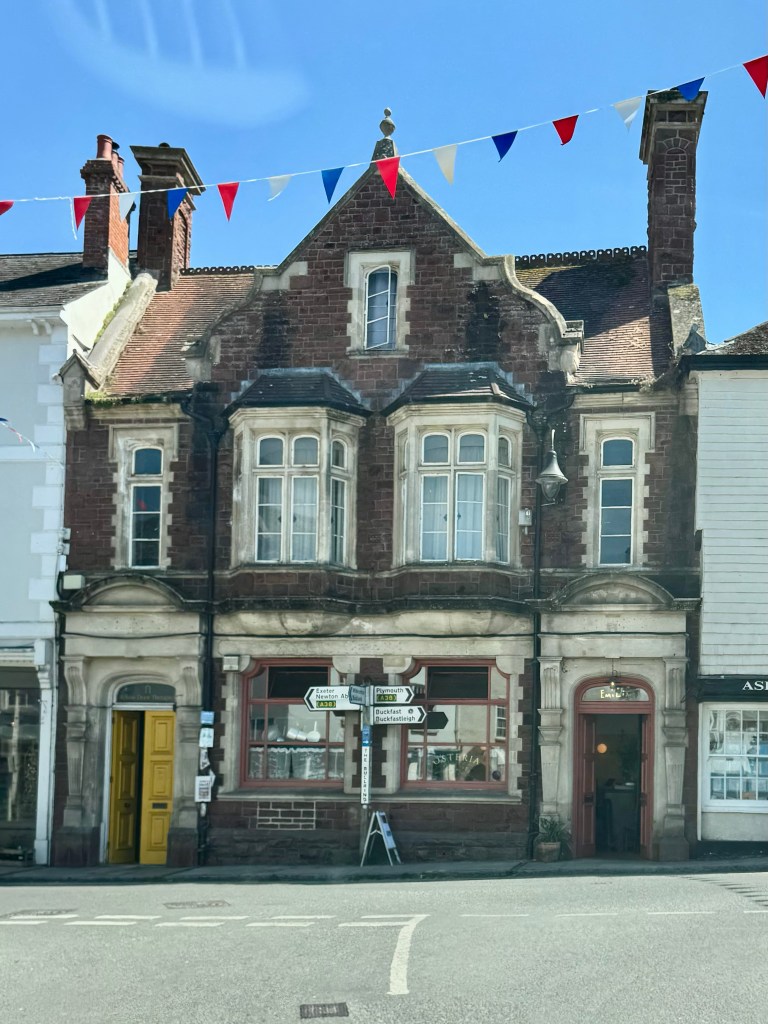
Finally, we went a bit further to Ashburton, the largest town in the National Park. And also associated historically with administrative duties during the tin industry. Ashburton also has an East Street, plus North and West so there might be a South somewhere.






All in all, a successful and interesting day. And hot!!



















































You must be logged in to post a comment.